
Soweto. What can I tell you about Soweto? Soweto refers to the Southwestern Townships in Johannesburg, and it’s made up of 34 separate townships where approximately 4 million people live.
Soweto is a symbol of racism and apartheid and the post-apartheid world of South Africa. Soweto is where Mandela and Tutu lived. Soweto is where families have lived for generations, but it’s also where people were forced to move in a government effort to impose racial segregation, and it’s where activism for freedom and equality took root, and where defiance was nurtured.
While here in Johannesburg the ACC leadership development group has spent a lot of time in Soweto. There are so many pictures I could share, but let me just say that Soweto is a vital and thriving and poor and oppressed area of approximately 4 million people who lived under apartheid and who are now trying to live in a post-apartheid world where unemployment is rampant and social justice is still lacking.
Soweto represents the real world complexity of racial oppression, resistance, psychological stress, greed, the will to power, unemployment, resilience, resistance, defiance, compliance, creativity, entrepreneurship, deflection, joy, and the power of individuals in community. It has been a place where we have learned about the 1976 Soweto Uprising of high school youth and the violent response of the police and military forces. We have heard the experiences of those who lived it:
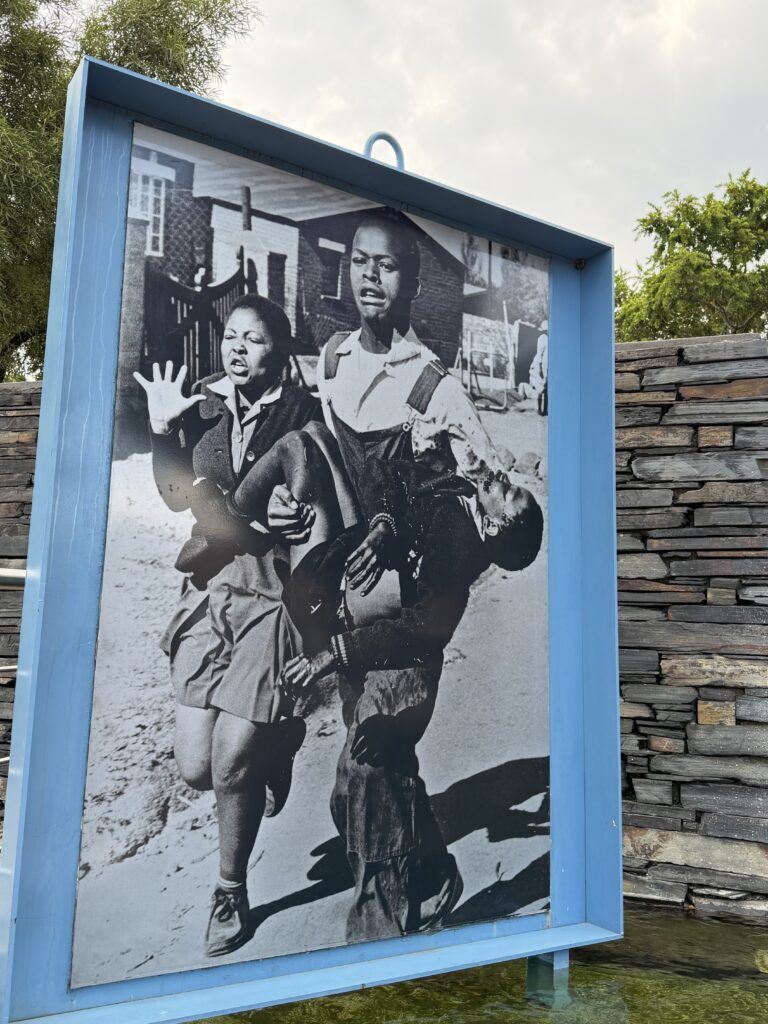
- A 16 year old woman whose brother was shot and killed by oppressive forces during the 1976 uprising.
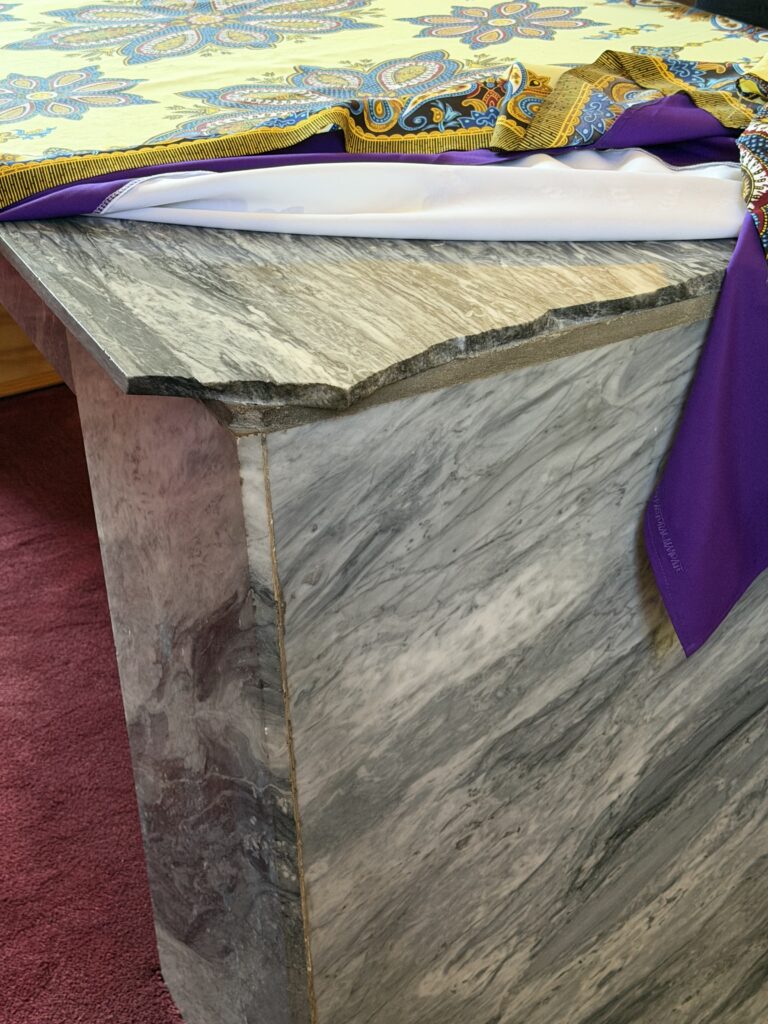
- Church members where youth fled for safety and where windows were shattered, young people were injured, and both the altar and a statue of Christ were broken by bullets and violence (Regina Mundi Church).
- A young man (one of our expert guides) who was 13 when he left home to fight against apartheid and who spent years in hiding and always on guard against the power of the state.
I have found my optimism and my belief in the goodness of humanity tested by our time in Soweto. Whether it was the 1976 Uprising, or the fight for civil rights in the American South, or the Holocaust, or what happened in Bosnia, or the reactionary stereotyping that is happening across our country today (or many other examples), we have seen and are seeing the worst of humanity in action. In the midst of this strife and violence, I take comfort in these words from Archbishop Desmond Tutu
”As much as the world has an instinct for evil and is a breeding ground for genocide, holocaust, slavery, racism, war, oppression and injustice, the world has an even greater instinct for goodness, rebirth, mercy, beauty, truth, freedom and love.”
May it be so.