September 26, 2025.
By Robert Ulbricht
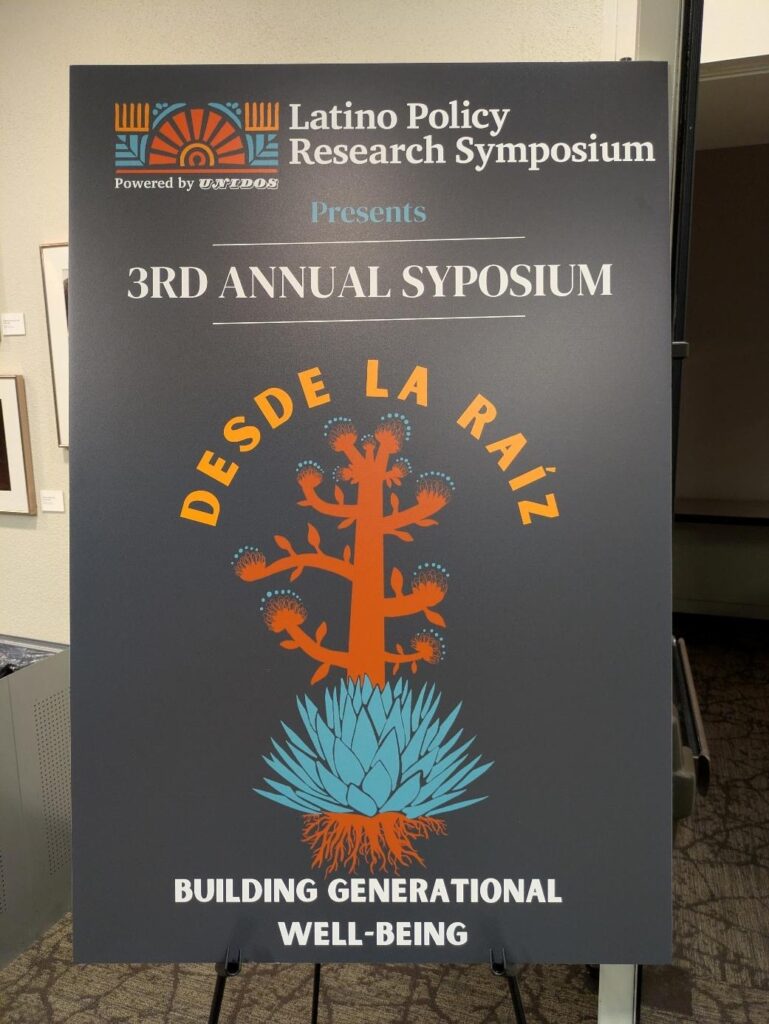
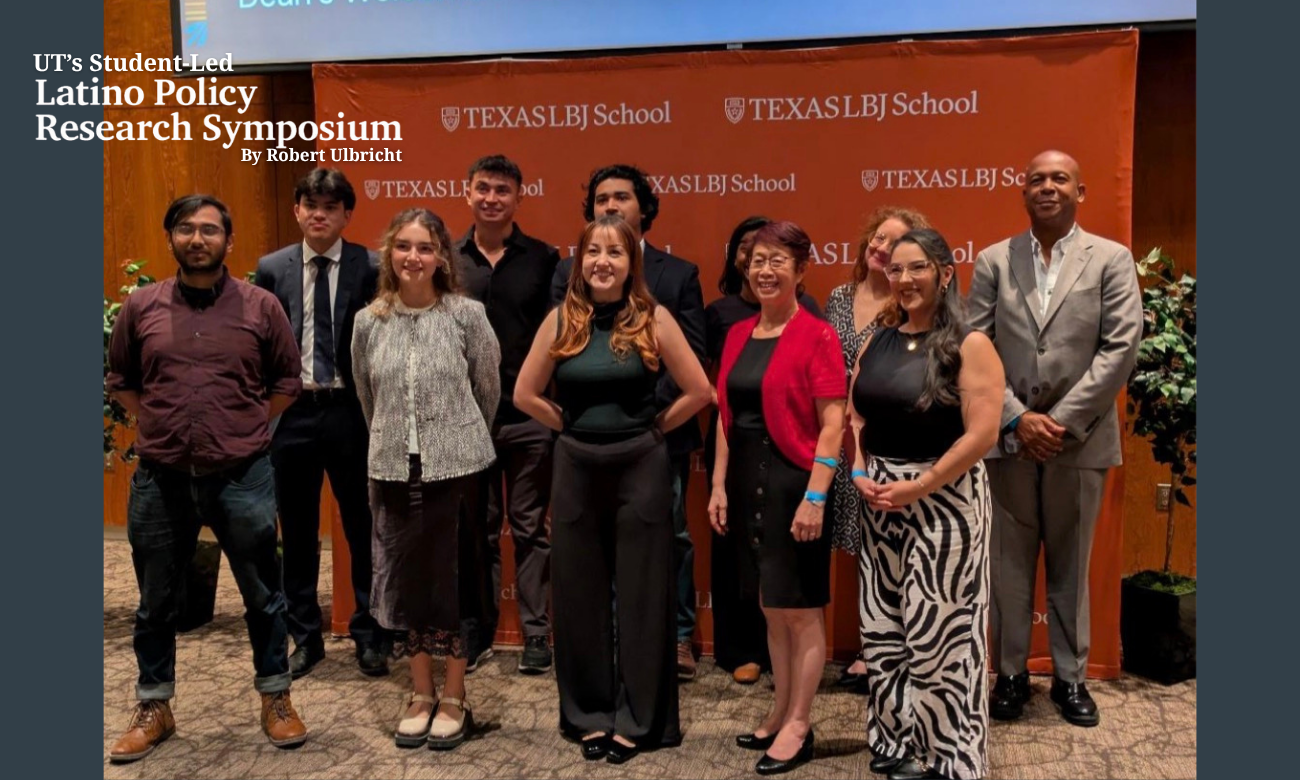
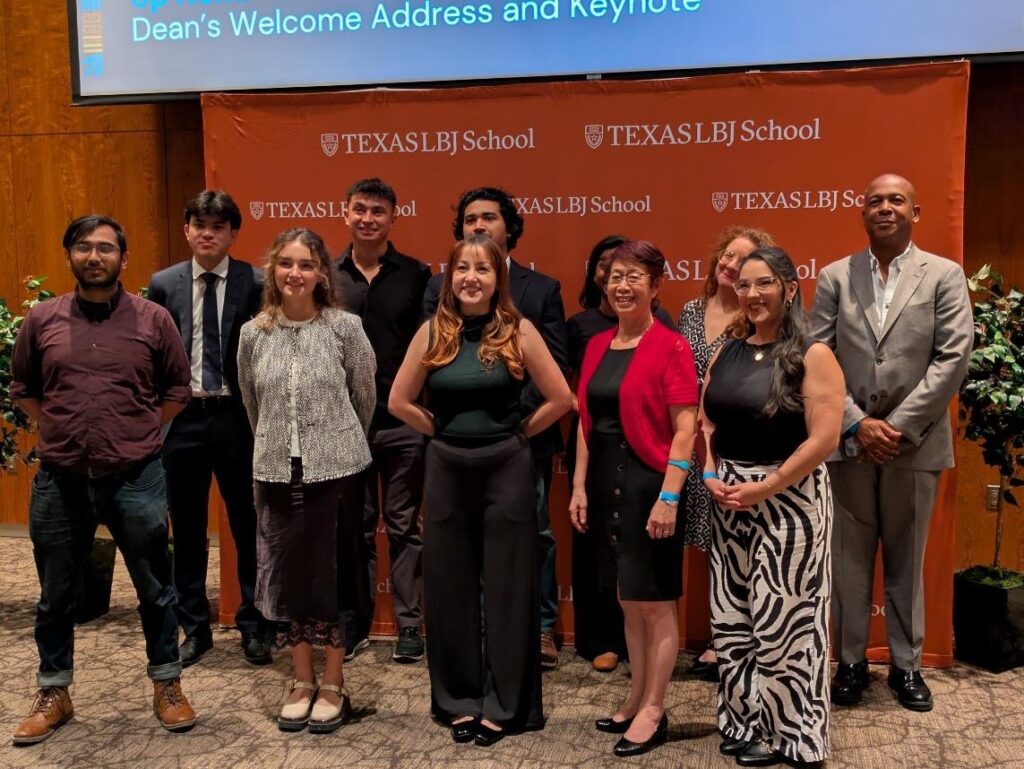
AUSTIN — The University of Texas hosted its third annual Student-Led Symposium on Latino Policy at the LBJ Public Affairs showcasing research and prompting discussion on issues affecting the Latino community near the border.
The free event featured presentations from student researchers at the Ph.D., master’s and undergraduate levels. Topics ranged from community activism and public health to gender issues within the U.S. Border Patrol.
Leonardo Vilchis-Zarate, a master’s student from the University of California, shared his work gathering the untold history of a Latino church community near the California border. In which, a group of mothers worked to decrease crime in their community by inviting would-be criminals into their homes and offering them warm meals. Their activism culminated in a protest against the demolition of their homes to make way for a development project.
Meizi He, PhD, from the University of Texas at San Antonio, spoke about how she was able to work with and convince Latino church leaders to speak to their congregations about healthy living strategies to help increase healthy outcomes. The team offered a $1,000 grant to various churches to make any sort of improvements the church thought would help increase healthy outcomes, like providing healthy snacks, or building places to play. The study suggested better health outcomes for those churches who participated. Meizi suggested this could be replicated in rural areas across Texas to great effect.
A more disturbing study was presented by master’s student, Karla Hernandez from UCLA. She showcased her research: Gendered Analysis of the U.S Border Patrol, specifically focusing on Latina women. She interviewed several current and former Latina border patrol agents, discovering a pattern of sexual harassment, sexual assault and verbal abuse. “There’s not a single woman in the Border Patrol who has either not been sexually assaulted, outright raped, or at the very least sexually harassed.”, former Border Patrol agent Jen Budd, interviewee apart of Hernandez’s research
Several students offered proposals of other subjects that they were curious about. Some of them were, how community groups work together across the borders to protect the environment in El Paso and Ciudad Juárez, the ripple effects of immigration crackdown on immigrant healthcare outcomes, and identifying how and why political power is shifting in the Rio Grande Valley from Democrats to Republicans.